
Podcast: Where we stage our secret selves
Malta's globalised sex industry
Where We Stage Our Secret Selves: Malta’s Globalised Sex Industry is a podcast exploring the intersections of migration and sex work on a Mediterranean island shaped by migration flows and changing sexual cultures. At the crossroads of continents and cultures, Malta becomes a lens through which to examine how sexuality, labour and mobility intertwine. Through intimate conversations, the podcast pushes beyond stereotypes, revealing the layered, liminal realities that define sex work today.
Grounded in the voices of individuals with experience of the world of sex work — particularly migrants — it brings into focus the social, legal, and policy challenges they navigate, while also highlighting the deeply human dimensions of desire, identity, and survival. At once personal and political, this podcast invites listeners to reflect on sexuality, stigma, and the many selves we stage in public and behind closed doors.
Why this podcast?
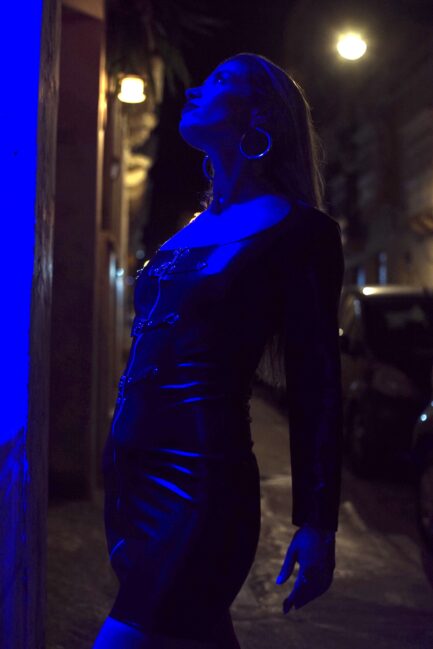
Where We Stage Our Secret Selves was born out of my PhD research — and out of everything that research stirred in me long after the fieldwork ended. When I began my doctorate, I identified as a feminist, cisgender, heterosexual Italian-Australian woman shaped by migration across continents and by intergenerational histories I was only beginning to understand. Professionally, I stood at the intersection of academia and the not-for-profit sector, committed to questions of power, gender and justice. Researching sex work and migration in Malta initially felt like a continuation of that trajectory, yet I did not yet realise how profoundly it would reshape it. Speaking about sex so openly — and relatedly, about abortion, desire, violence, intimacy, motherhood, fear, fantasy — created a space of shared vulnerability between myself and the people who trusted me with their stories. Conversations that began as research interviews often became moments of unexpected honesty and release.
This podcast emerged from a desire to return to these conversations from a different angle — beyond the thesis, beyond academia — and to create something more accessible, more dialogic, and more alive. It is an attempt to honour the complexity of the people who shaped my research, to move past flattened narratives of victimhood or sensationalism, and to invite a wider audience into the nuanced, uncomfortable, liberating terrain where sex, migration, power, and identity meet. This is where the collaboration with the Synaps network proved invaluable. Synaps’ commitment to producing clear, accessible analysis helped shape the way this podcast foregrounds voices often marginalised in mainstream conversations. This collaboration allowed Where We Stage Our Secret Selves to move traditional academic research, breaking down complex findings into digestible and engaging insights that resonate with a wider audience.
One docu-podcast & eight episodes
Where We Stage Our Secret Selves is a docupodcast series, with the first 30-minute episode dropping on March 3rd, International Sex Workers Rights Day. The series features weekly episodes that dive into the diverse experiences of sex workers, particularly migrants, in Malta. While the docu-podcast provides my lens on the subject, each episode invites listeners to explore deeper through the voices of the participants themselves. Some interviews are presented in their original languages and with original voices, while others are dubbed upon request. The series brings forward different characters and perspectives, with each episode offering a nuanced exploration of the intersection of sex work, migration, and identity.

About Synaps
Synaps is a research laboratory, born to develop innovative forms of knowledge production. Their work centers on global socioeconomic concerns. Their priority topics, which they experience first hand, are:
‣ Everyday economics, notably the question of how vulnerable people access basic necessities, jobs, and financial services.
‣ The environment, especially adaptations when it comes to water management, energy use, and food security
‣ Technology, used to monitor, reduce, and rationalize consumption of key resources, including information.
Activities form three complementary branches:
‣ Synaps Knowledge focuses on research. They conduct fieldwork among communities grappling with social problems, to find solutions on their terms.
‣ Synaps Labs centers on data science, user experience, and visual design. They build tools, notably software, that make information easier to process.
‣ Synaps Academy hosts training programs. They hire young professionals locally, train them on the job, and transfer key skills to peer organizations.
Website:
www.synaps.network